

The Evolution of Cuisine: Exploring the Roots of Food
Food is not just a necessity for survival; it is a reflection of culture, history, and evolution. The journey of cuisine is a fascinating one, shaped by various factors such as geography, climate, agriculture, trade, and technology. Let's delve into the roots of food and explore how different cuisines have evolved over time.
1. Ancient Origins of Food
Food has been a central part of human existence since ancient times. Our ancestors relied on hunting and gathering for sustenance, consuming a diet primarily based on fruits, vegetables, nuts, and meat. The discovery of fire revolutionized food preparation, leading to the development of cooking techniques that enhanced flavors and made food more digestible.

2. Culinary Traditions Around the World
As civilizations flourished, culinary traditions started to take shape. Each region developed its unique cooking styles, ingredients, and flavors based on local produce and cultural practices. From the spicy curries of India to the delicate sushi of Japan, the diversity of global cuisine reflects the rich tapestry of human history.
2.1 European Influence
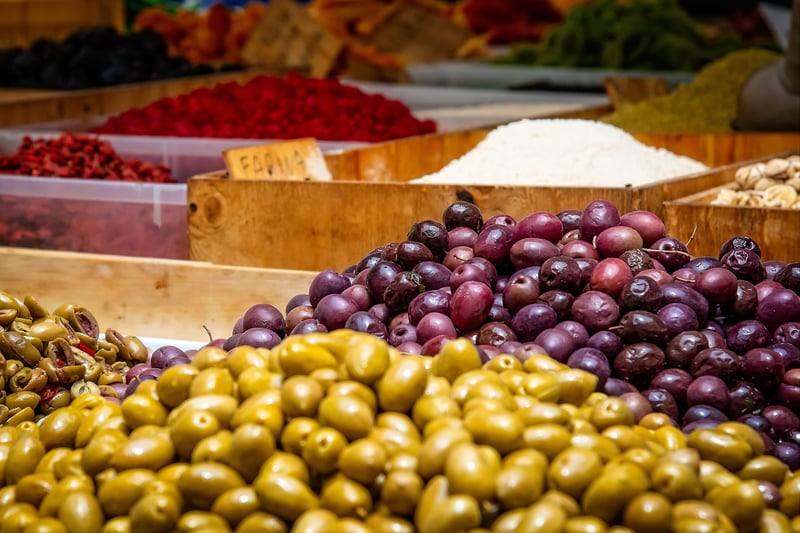
European cuisine has been heavily influenced by trade and exploration. The Columbian Exchange in the 15th century introduced new ingredients such as tomatoes, potatoes, and chili peppers to Europe, transforming traditional dishes and leading to the creation of fusion cuisines like Tex-Mex and Indo-Chinese.

2.2 Asian Fusion
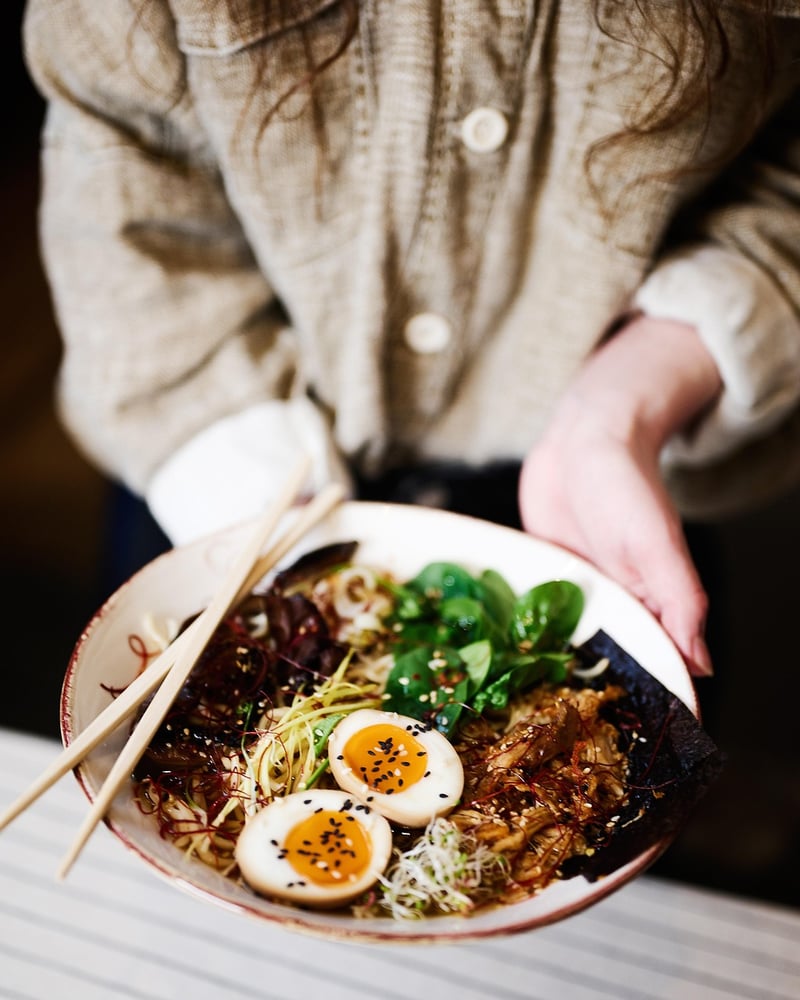
Asian cuisine has a long history of blending flavors and techniques from different regions. The Silk Road facilitated the exchange of spices, teas, and cooking methods between East and West, resulting in dishes like Thai green curry and Korean BBQ that combine traditional ingredients with foreign influences.
3. Modern Food Trends
In the modern era, food continues to evolve with changing tastes and trends. The rise of globalization has led to the popularization of fusion cuisine, where chefs experiment with diverse ingredients and cooking styles to create innovative dishes that appeal to a global audience.
3.1 Sustainable Dining
With growing concerns about the environment and food security, there is a shift towards sustainable dining practices. Farm-to-table restaurants, organic farming, and plant-based diets are gaining popularity as people seek healthier and more environmentally friendly food options.
3.2 Culinary Technology
Advancements in culinary technology have revolutionized the way we cook and eat. From molecular gastronomy to food delivery apps, innovation is reshaping the food industry and offering new possibilities for chefs and food enthusiasts alike.

Food is a dynamic and ever-evolving aspect of human culture. By exploring the roots of food and understanding the evolution of cuisine, we gain a deeper appreciation for the diverse flavors and traditions that enrich our culinary experiences.
Let's continue to savor the journey of food and celebrate the cultural heritage that lies at the heart of every dish we enjoy!